
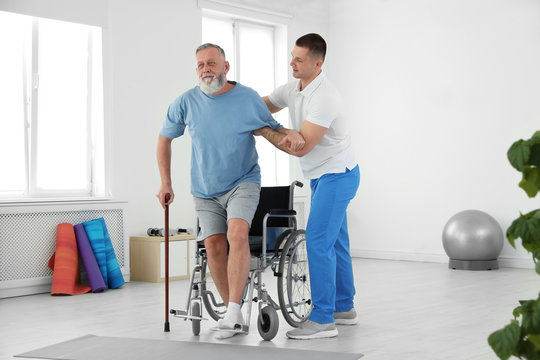
Post-stroke physiotherapy is a crucial part of recovery after a stroke, especially for patients experiencing paralysis or weakness on one side of the body. Stroke often affects mobility, balance, speech, and coordination, making rehabilitation essential to regain independence and improve quality of life. Physiotherapy focuses on retraining the brain and body to restore lost functions and prevent long-term disability.
Why Post-Stroke Physiotherapy is Important?
After a stroke, patients may face muscle weakness, paralysis, difficulty walking, stiffness, or coordination problems. Without proper rehabilitation, these issues can worsen over time. Physiotherapy helps by:
Improving movement and motor skills
Restoring balance and coordination
Reducing muscle stiffness and spasticity
Strengthening weak muscles
Enhancing walking ability and mobility
Boosting confidence and independence in daily activities
What Does Stroke Rehabilitation Include?
A customized stroke rehabilitation program may involve:
Range of motion exercises to reduce stiffness and improve flexibility
Strengthening exercises to rebuild weak muscles
Gait training for safe walking and balance recovery
Neuro-rehabilitation techniques to improve brain and nerve connection
Functional training for activities like eating, dressing, and writing
Home exercise programs to continue progress outside sessions
Benefits of Post-Stroke Physiotherapy
Accelerates recovery and mobility improvement
Restores independence in daily life
Improves balance and reduces risk of falls
Enhances speech and coordination (with speech therapy support)
Supports emotional and mental well-being
Home-Based Stroke Physiotherapy
Many stroke survivors find it difficult to travel for therapy sessions. Home physiotherapy for stroke paralysis offers professional care in the comfort of your home. Skilled physiotherapists provide one-on-one sessions tailored to the patient’s needs, ensuring effective recovery in a familiar environment.